Memory and Experience: Field Activity Explores the Impacts of the 2025 Tornado and Community Resilience in the Territory of Iguaçu
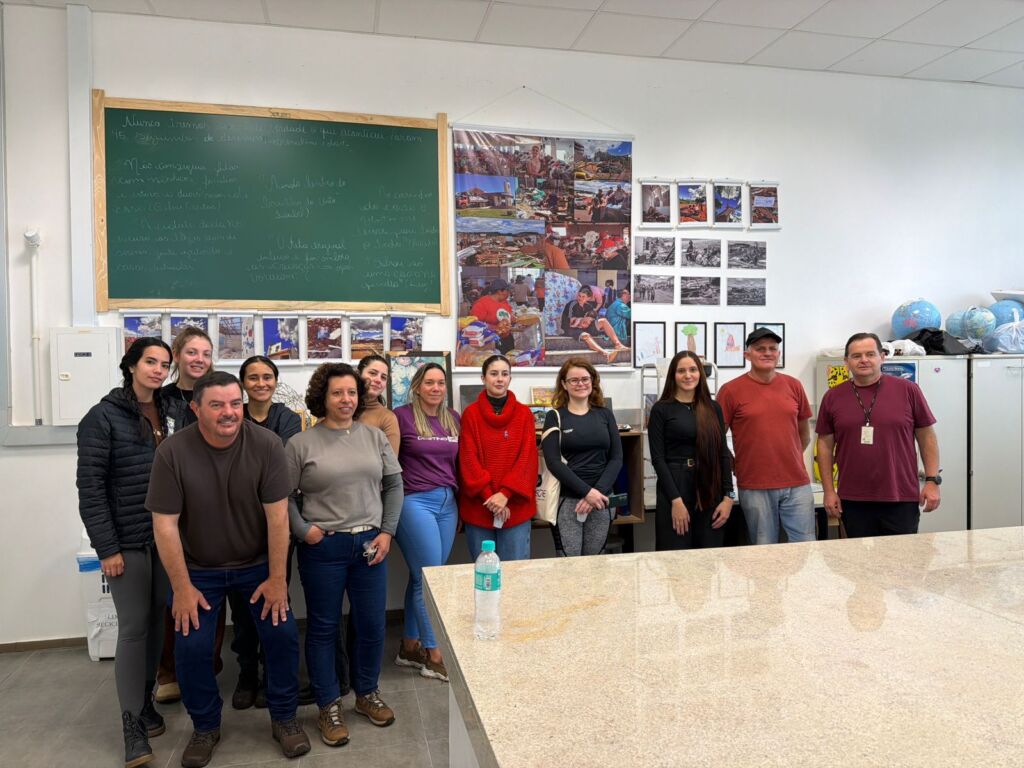
Last weekend, on May 16, 2026, students from the Geography Bachelor’s program at Unicentro participated in an enriching field activity that integrated theory and practice in the study of environmental disasters. The activity took place within the historic Territory of Iguaçu, with activities centered at the campus of the Federal University of Fronteira Sul (UFFS) in Laranjeiras do Sul and in the neighboring municipality of Rio Bonito do Iguaçu.
Revisiting Regional History and Infrastructure
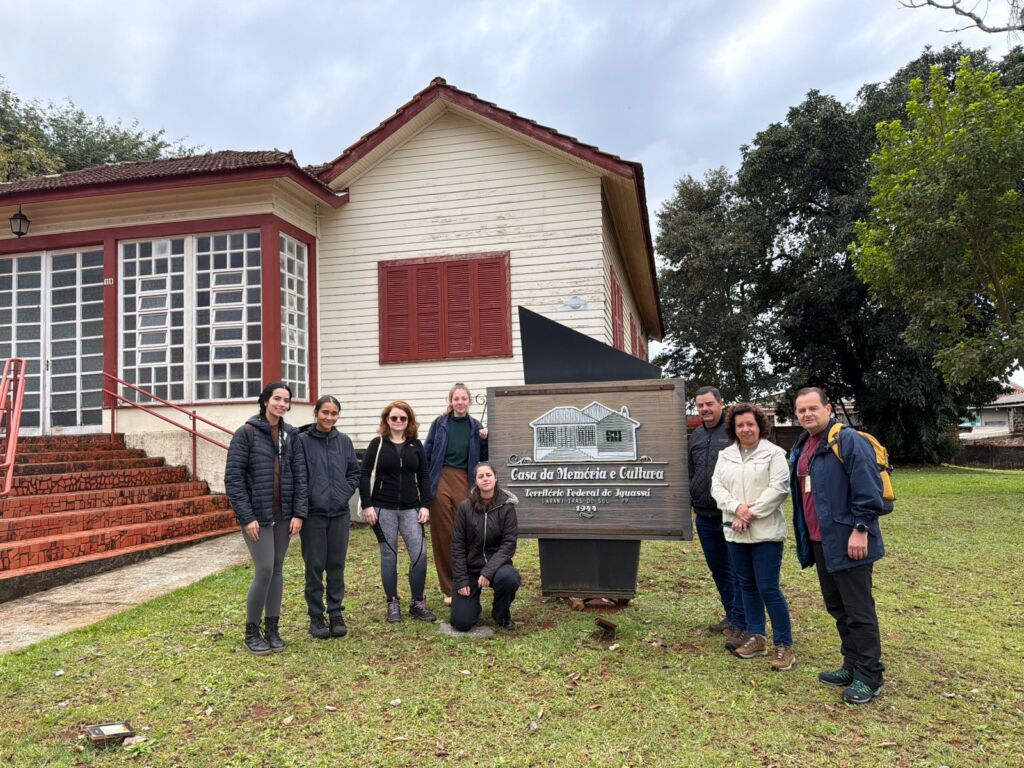
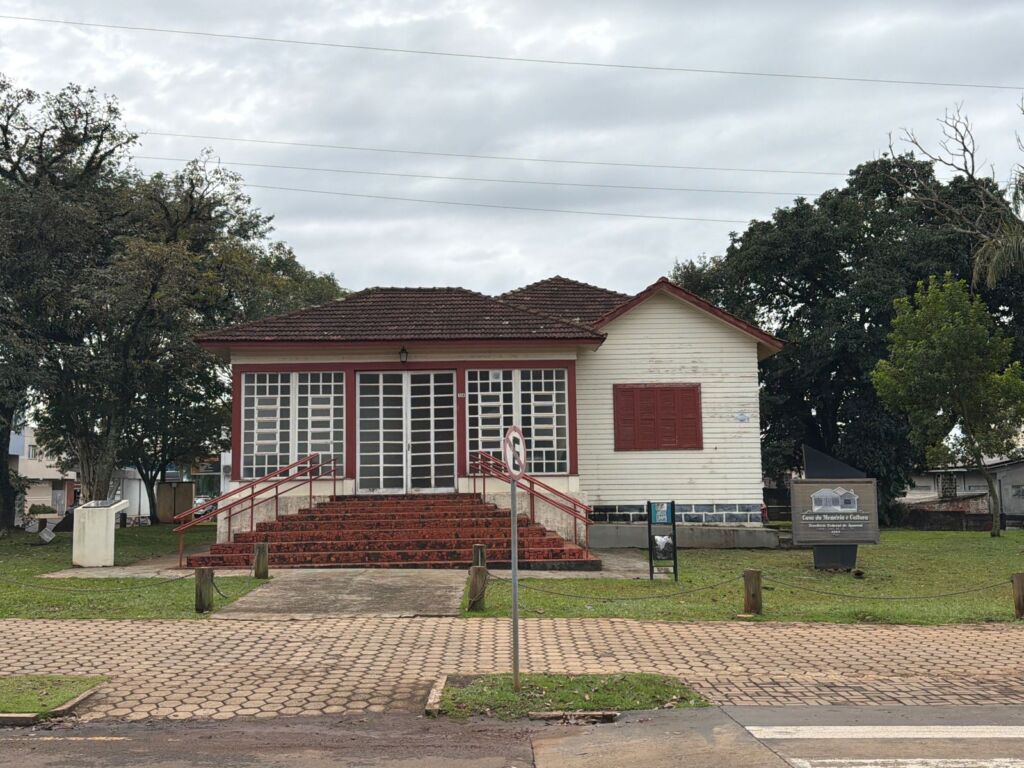
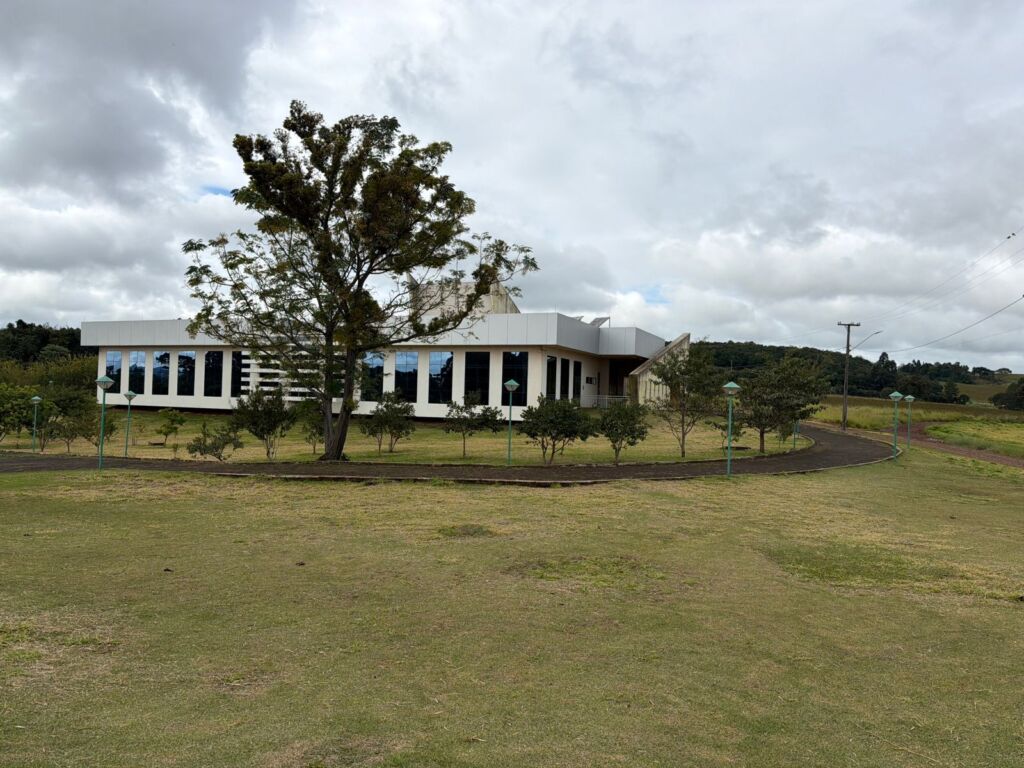
The itinerary began in Laranjeiras do Sul, formerly the capital of the Federal Territory of Iguaçu. Students visited the former Vice-Governor’s Residence, now transformed into the House of Memory, a landmark that connects the region’s geopolitical past with its current socio-environmental configuration.
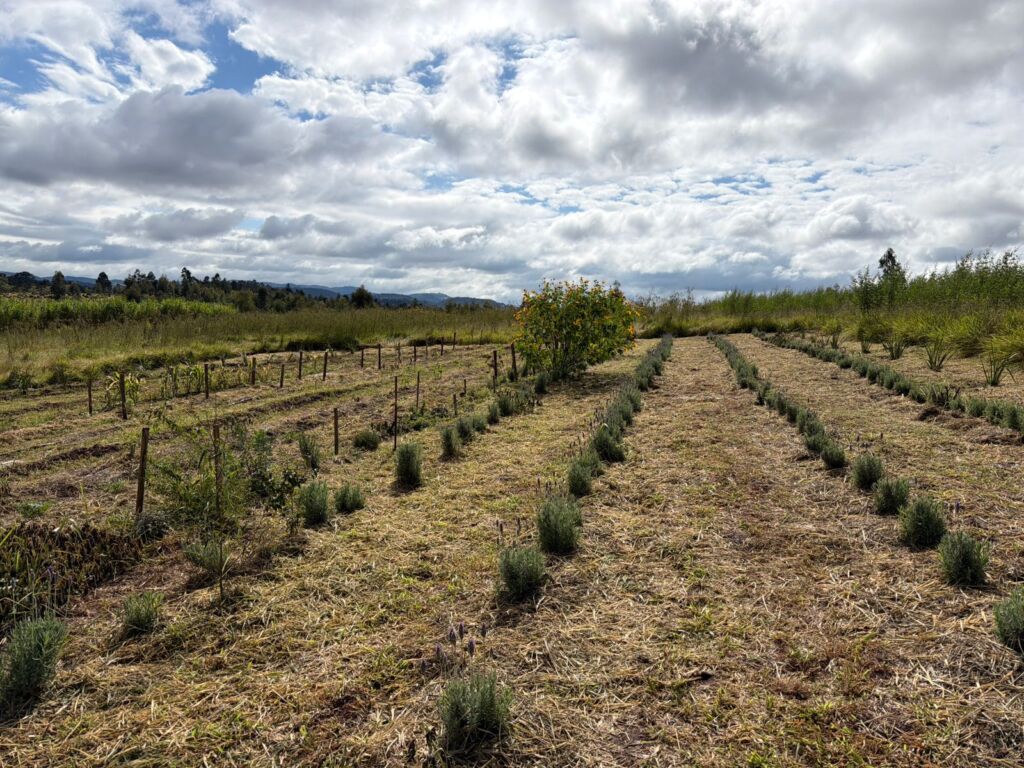
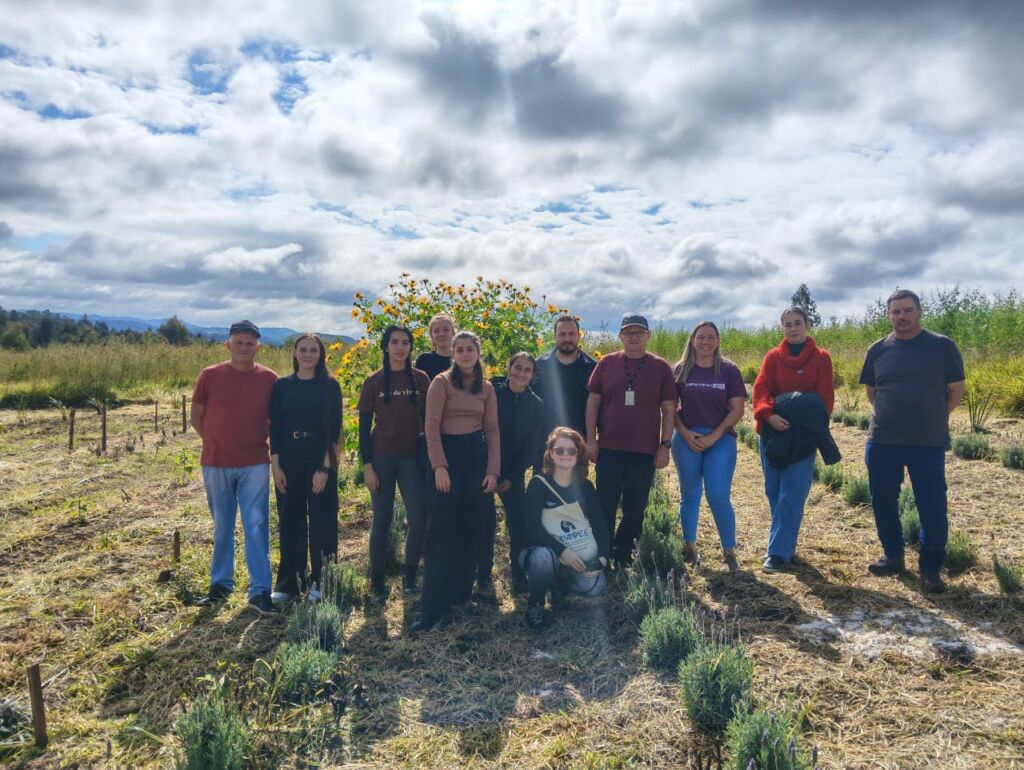
The group then visited the UFFS Experimental Fields. Covering approximately 31.5 hectares divided into six thematic areas, the site stood out for its practical infrastructure dedicated to teaching, research, and extension activities in agroecology and rural development, serving as a foundation for understanding land use and regional sustainability.
The Tornado Impact: From Devastation to Reconstruction
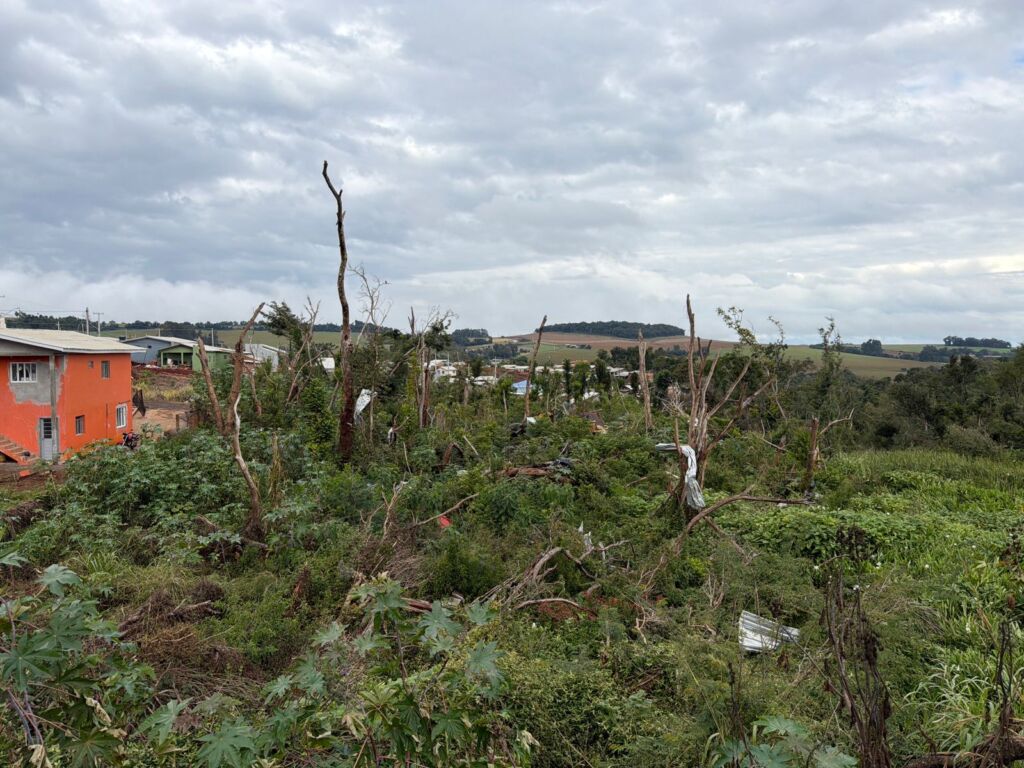
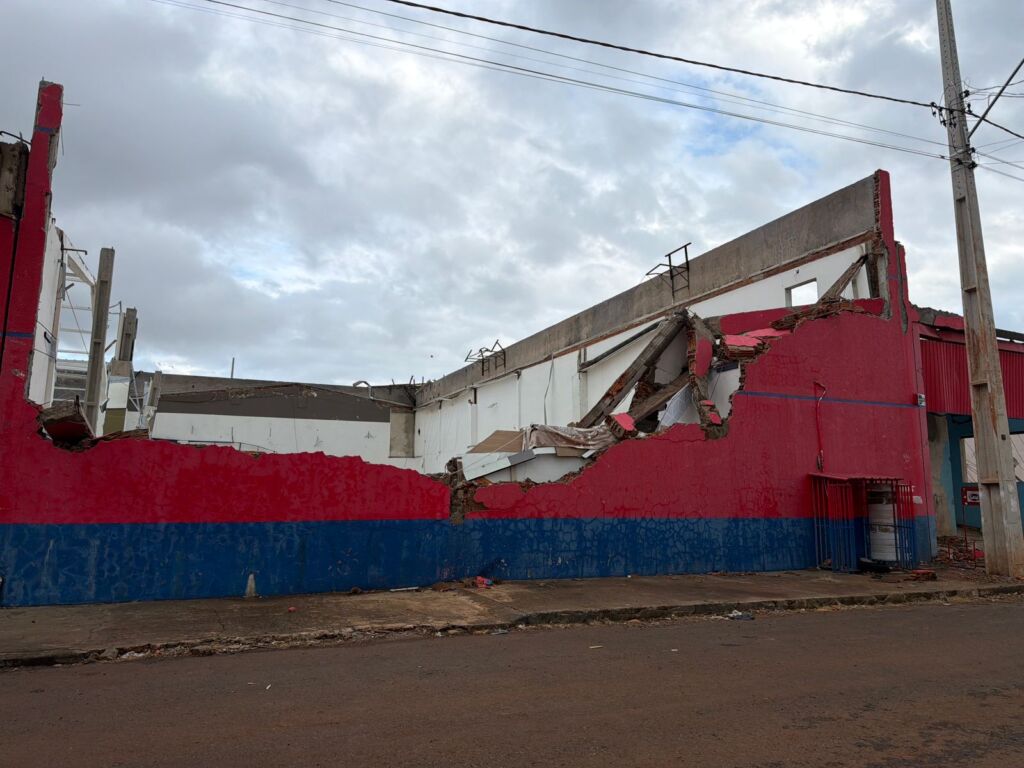
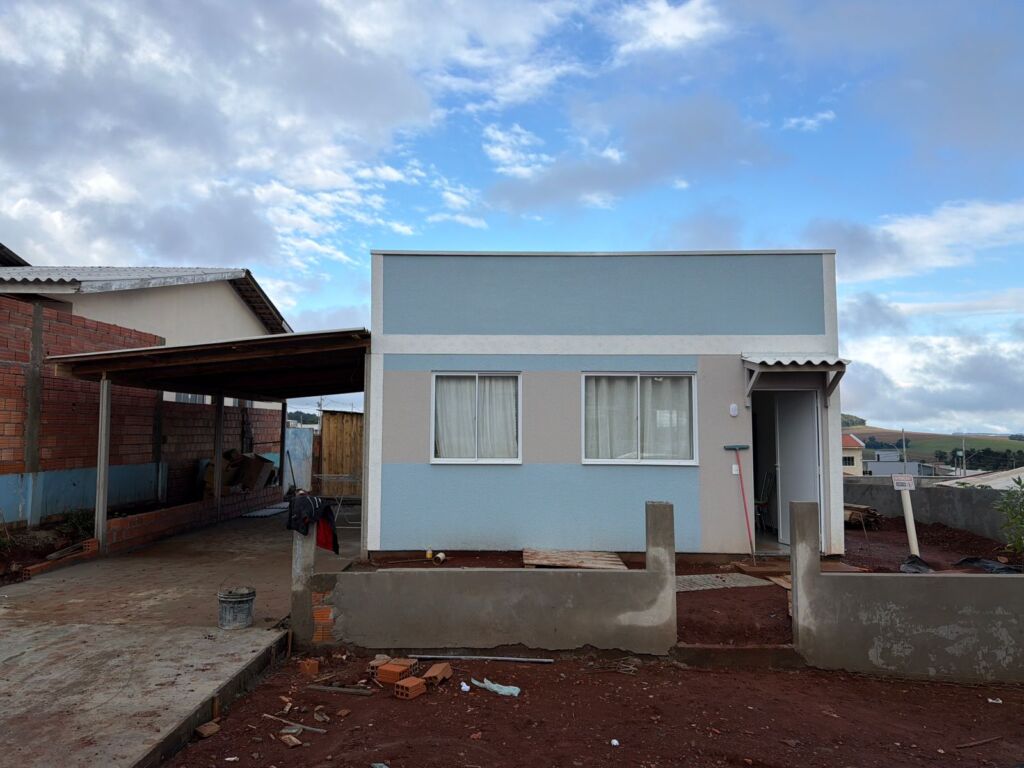
The most significant and impactful stage of the field activity took place in Rio Bonito do Iguaçu, a municipality severely affected by an EF4 tornado on November 7, 2025. The Environmental Disasters course focused on critically analyzing the pre-disaster, disaster, and post-disaster dimensions of the event.
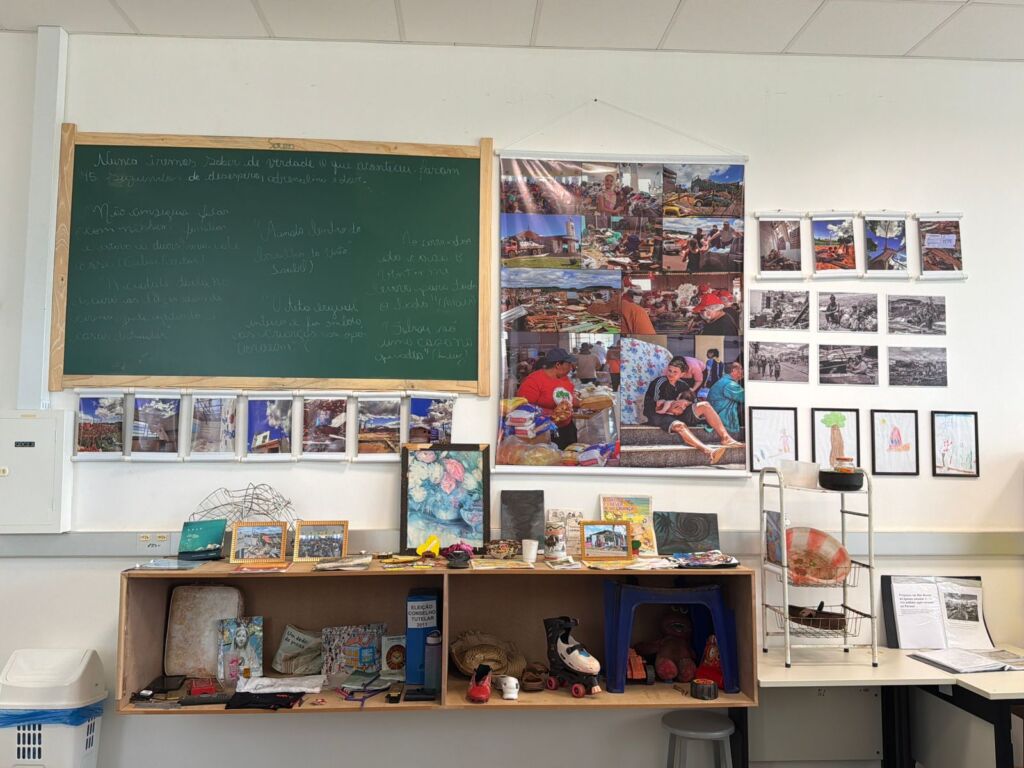
Students visited the UFFS Tornado Memorial and had the opportunity to hear emotional testimonies from local residents. These accounts provided insight not only into the intensity of the extreme event, but especially into the community’s resilience and the effectiveness of the public reconstruction policies implemented in the municipality.
The activity reinforces LabHidro’s commitment to supporting initiatives that connect academic training with social reality, understanding disasters beyond their physical dimension, as events that also require management, memory, and solidarity.