The 2nd DATES Symposium Brings Together Dozens of Researchers at Unicentro. LabHidro Highlights Discussions on the “Anthropocene and the Pathways of Water.”
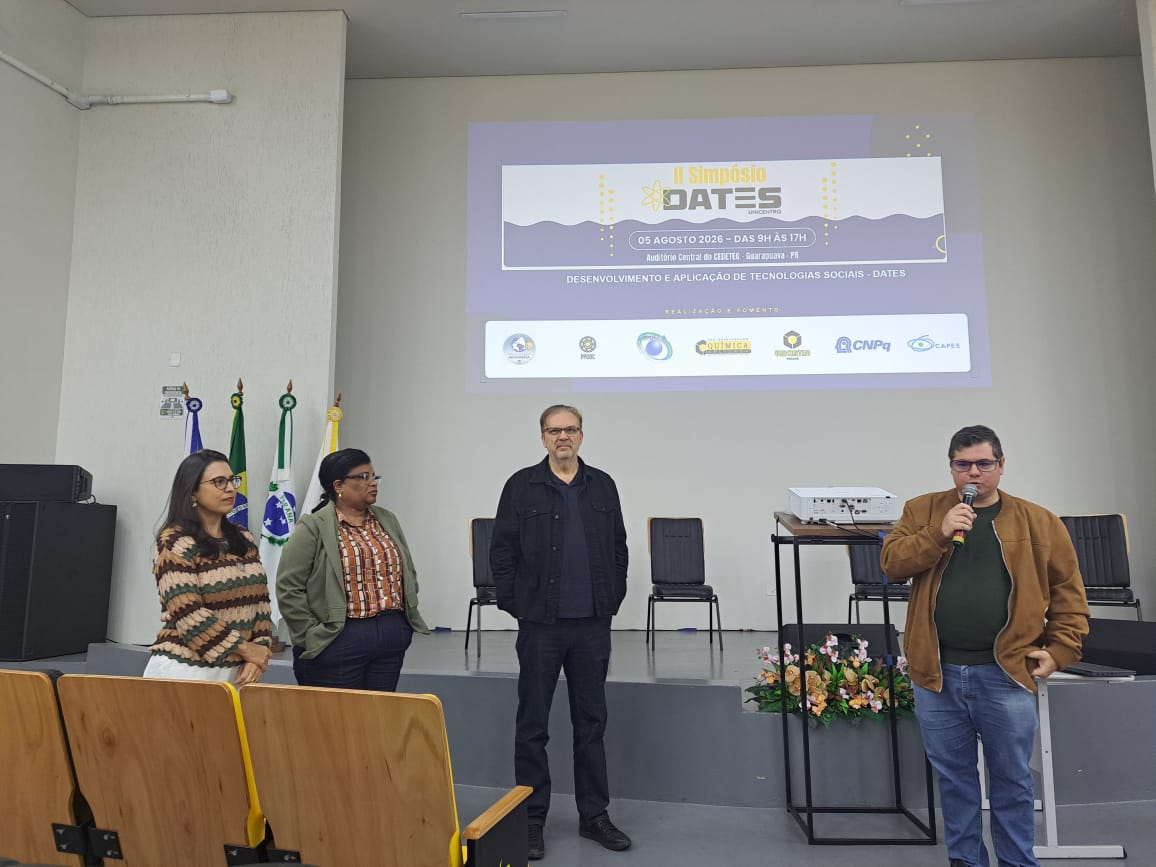
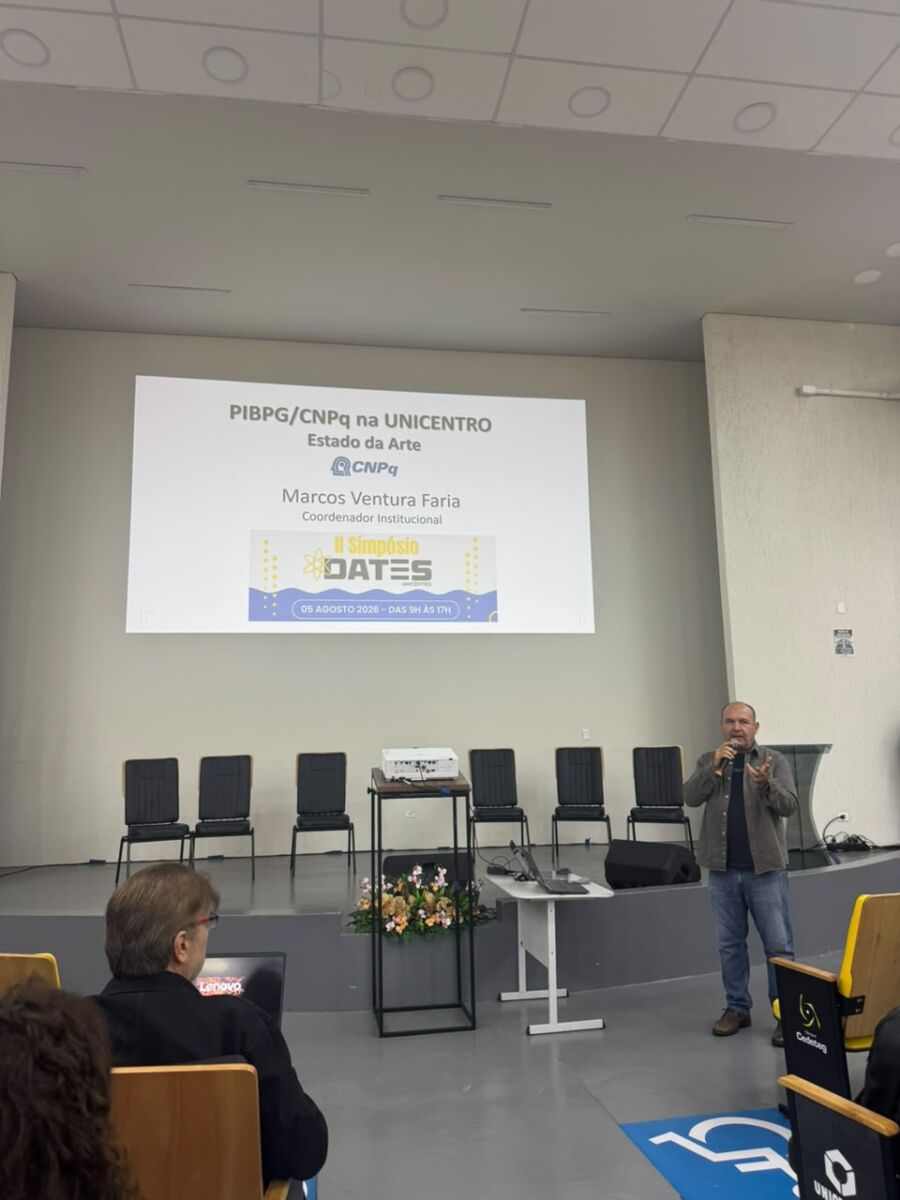
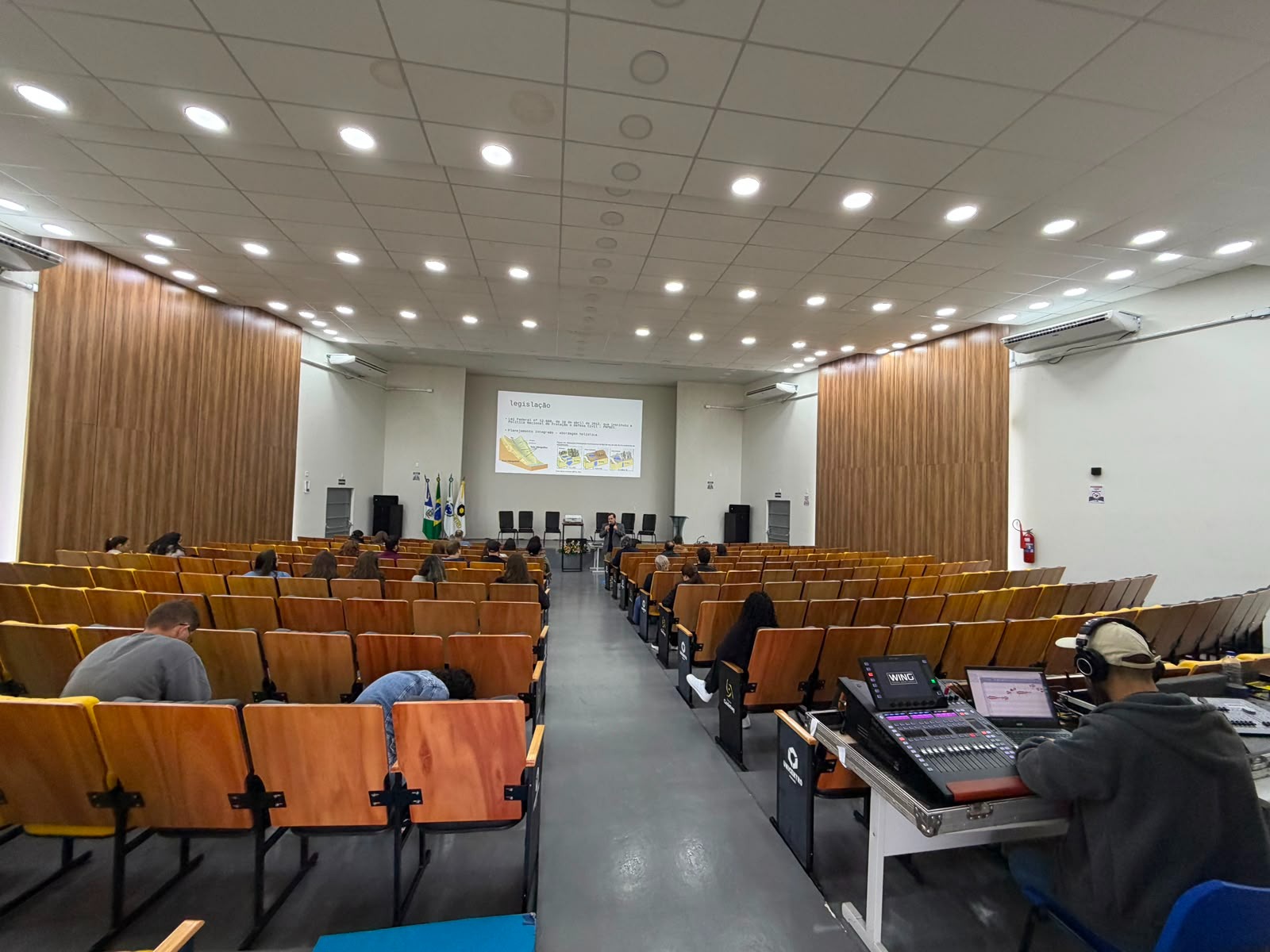
Guarapuava (Paraná, Brazil) – Held on Wednesday, August 5, 2026, at the Central Auditorium of the CEDETEG Campus, the 2nd DATES Symposium (Development and Application of Social Technologies) brought together more than 50 participants, including faculty members, undergraduate and graduate students, for a day dedicated to scientific collaboration, innovation, and sustainability.
The DATES Project is an interdisciplinary research and outreach initiative at Unicentro, supported by funding agencies such as CNPq and CAPES. It brings together expertise from Geography, Environmental Engineering, Community Development, and Chemistry to develop practical solutions aligned with the United Nations Sustainable Development Goals (SDGs).
Water Pathways in the Anthropocene: From Environmental Dynamics to Social Technologies
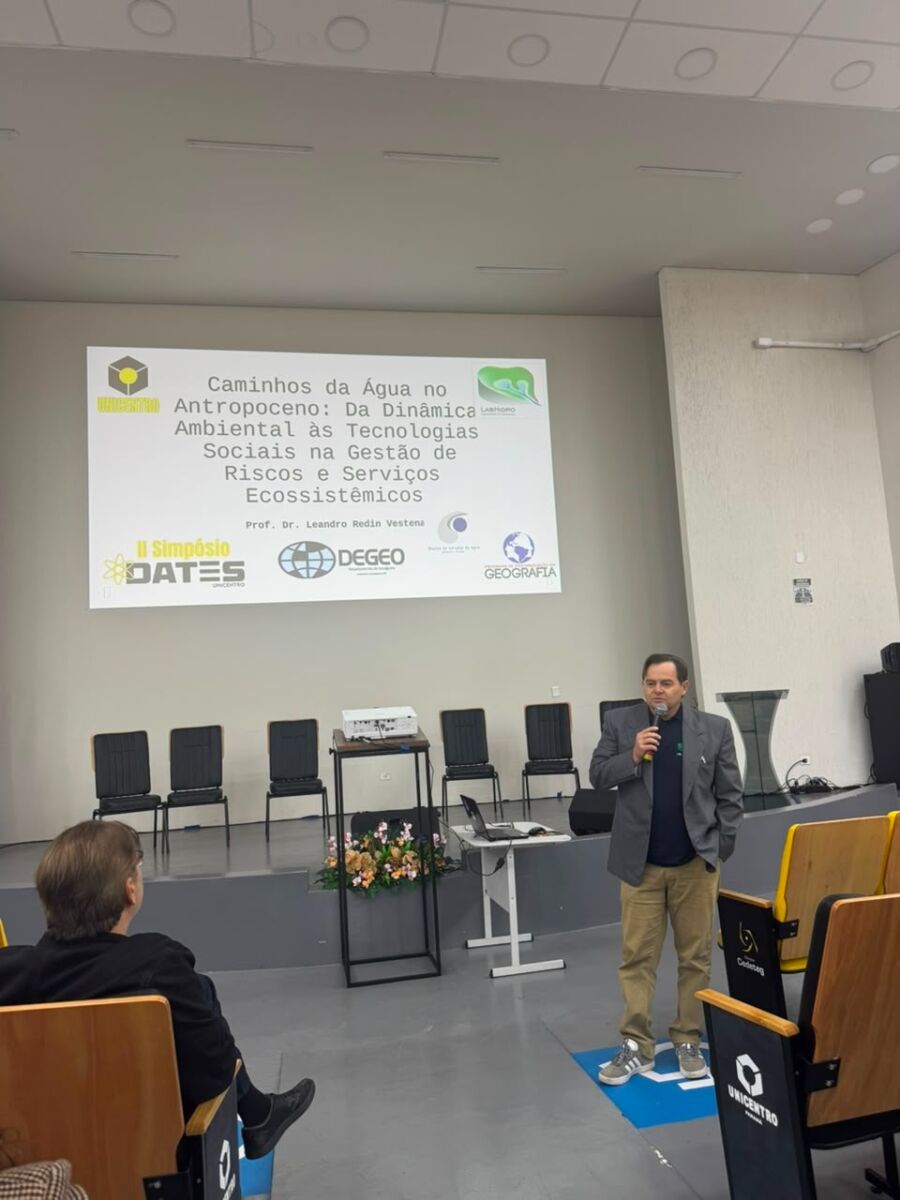
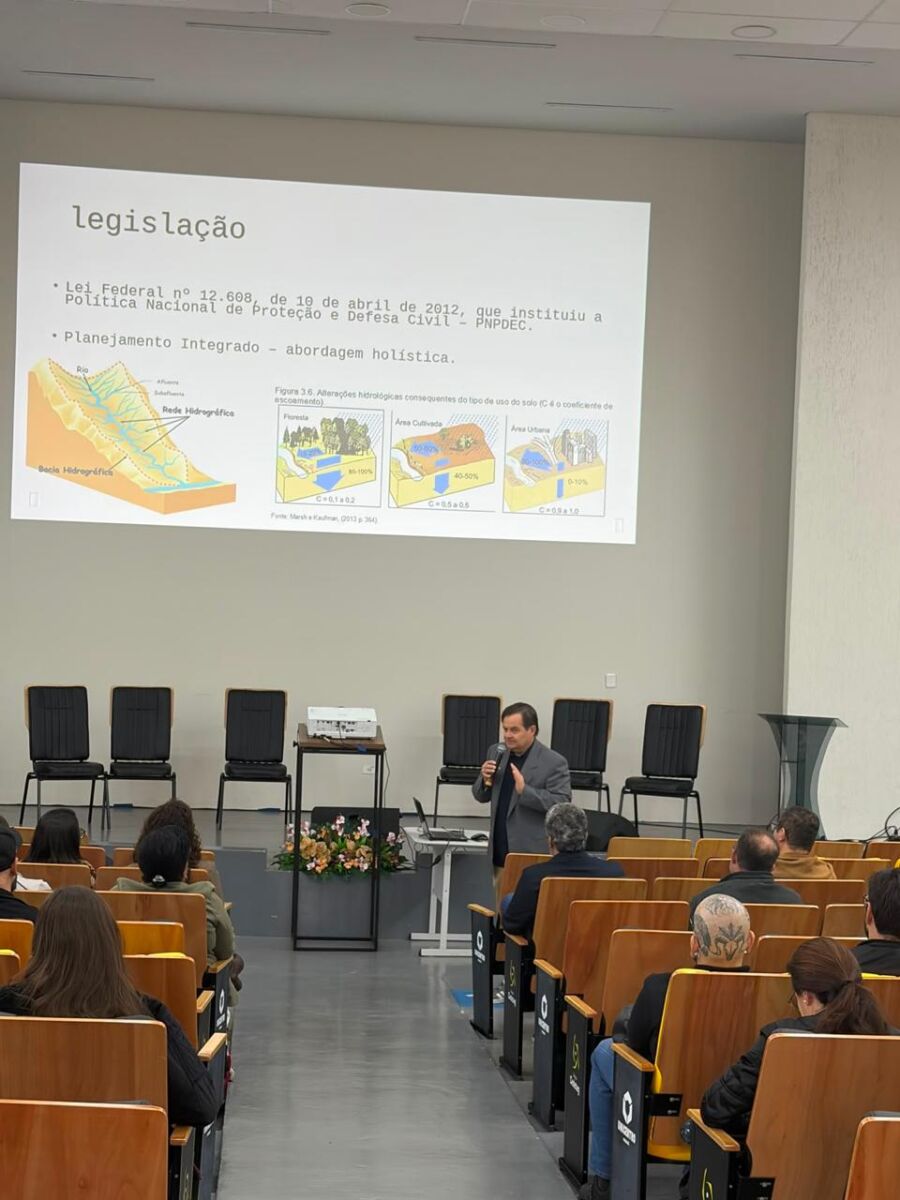
One of the highlights of the symposium was the keynote lecture delivered by Prof. Dr. Leandro Redin Vestena. Entitled “Water Pathways in the Anthropocene: From Environmental Dynamics to Social Technologies for Risk Management and Ecosystem Services,” the presentation emphasized the urgent need for a systemic perspective on water resources in response to the increasing frequency and intensity of extreme events.
Prof. Vestena addressed several key themes in contemporary hydrological research:
- The Era of Extremes and the Social Construction of Disasters: Drawing on historical and recent hydrological disasters in southern Brazil—including the floods of 2008 in Santa Catarina, the floods of 2014 and 2023 in Paraná, and the 2024 climate disaster in Rio Grande do Sul—he emphasized that so-called “natural” disasters are fundamentally socio-environmental processes driven by inappropriate land use, social vulnerability, and the ongoing climate crisis.
- Sociohydrology and the Hydrosocial Cycle: Water was presented not merely as a physical or chemical resource, but as a central element of governance within the Water–Energy–Food–Climate Nexus.
- Current Challenges and Scientific Frontiers: The presentation highlighted emerging contaminants in drinking water, including hormones and microplastics, the spread of invasive aquatic species—such as the Asian clam (Corbicula fluminea) in the Rio das Pedras—and the impacts of land use and land cover change on both water quality and water availability.
- Nature-based Solutions (NbS) and Adaptive Resilience: Looking toward future strategies, Prof. Vestena presented integrated approaches including Sustainable Urban Drainage Systems (SUDS), restoration of Permanent Preservation Areas (PPAs), multipurpose reservoirs, community-based early warning systems, and accessible social technologies to strengthen climate resilience.